

FCFC
Plastics Div.
Plastics Div.
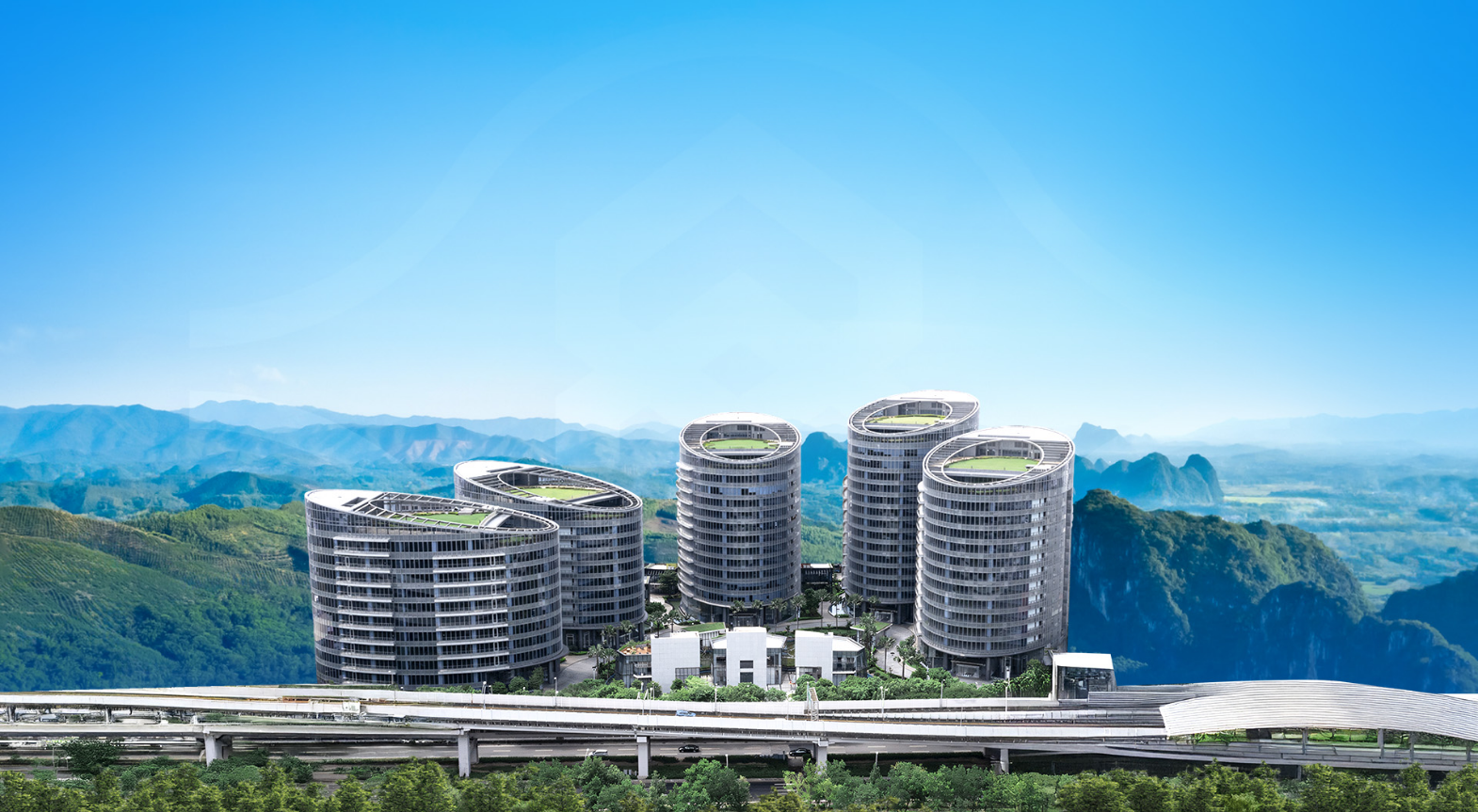
FCFC Plastics Division
Formosa Chemicals & Fibre Corporation Plastics Division was originally the Second Chemical Division. It was initially established to support the development of upstream and downstream related industries of Formosa Plastics' Sixth Naphtha Cracker Project. At that time, it was responsible for the planning of the construction of aromatic hydrocarbon and styrene series plants. Due to the delay in the site selection of the Sixth Naphtha Cracker Project, it was decided to start building a plant for downstream polystyrene first and introduce the products to the market to facilitate the production and sales of upstream products in the future.
History
1991
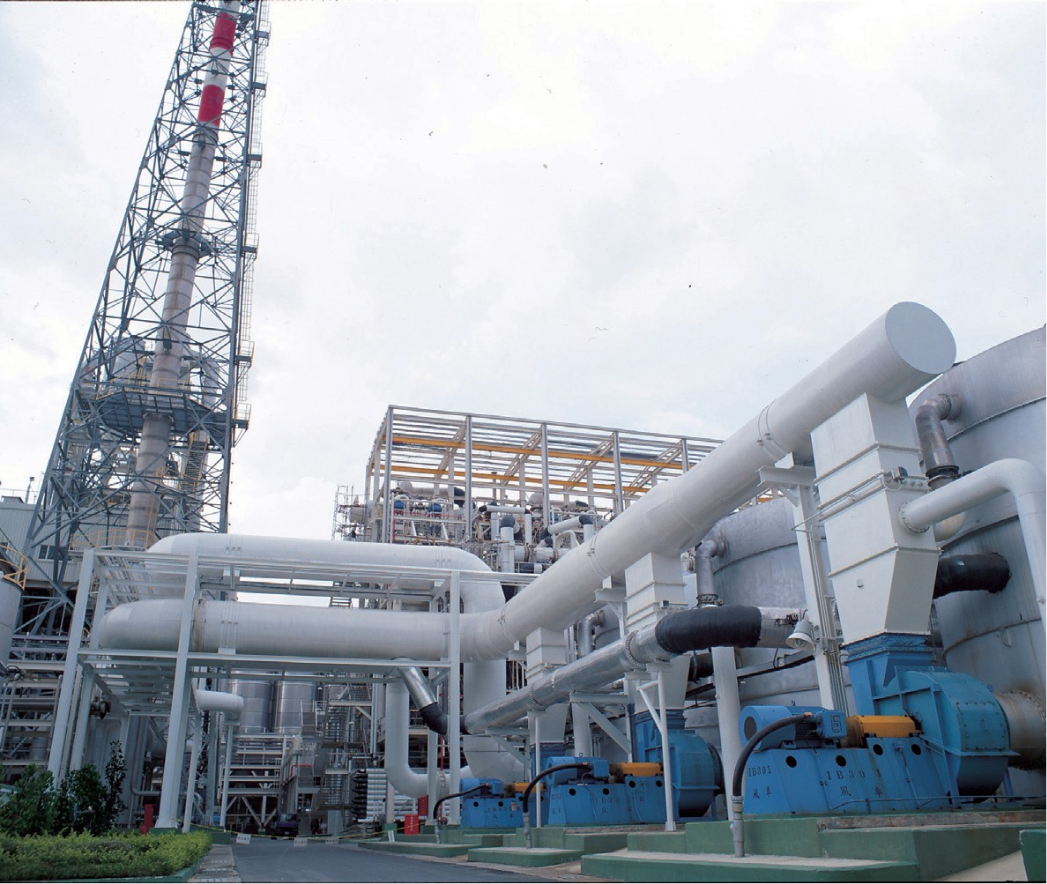
Establishment of Polystyrene (PS) Plant
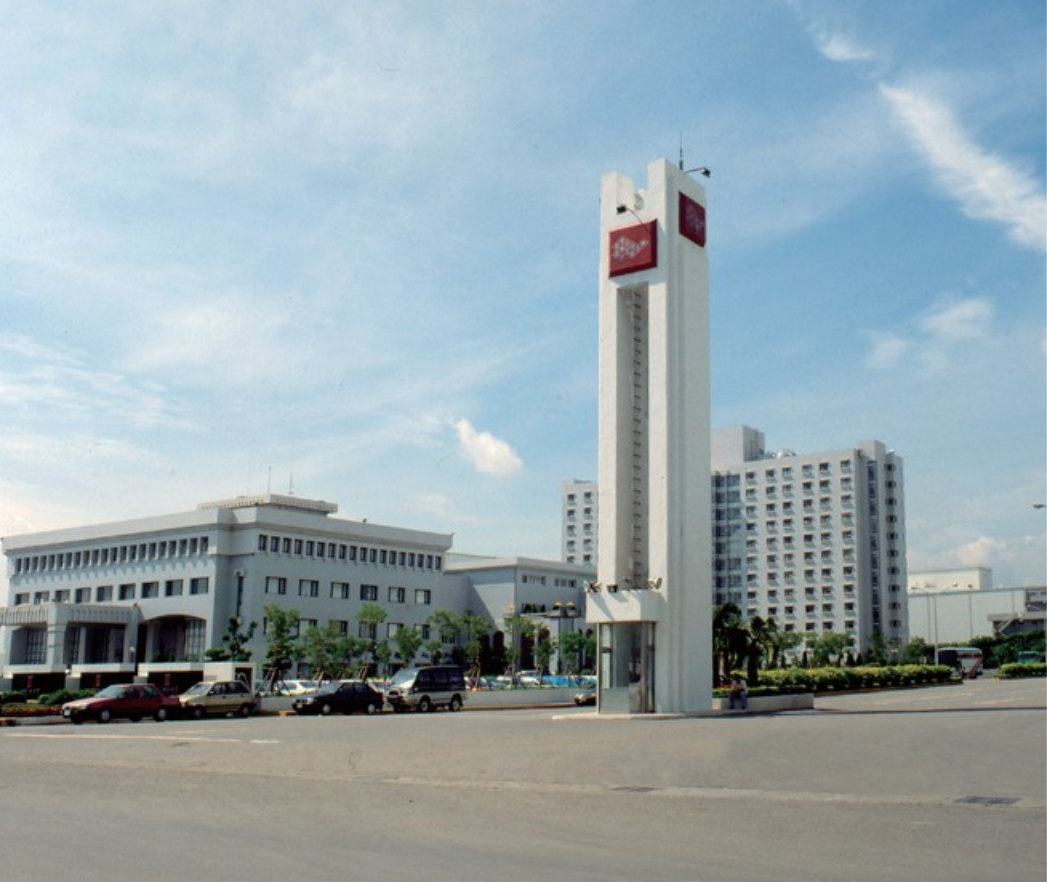
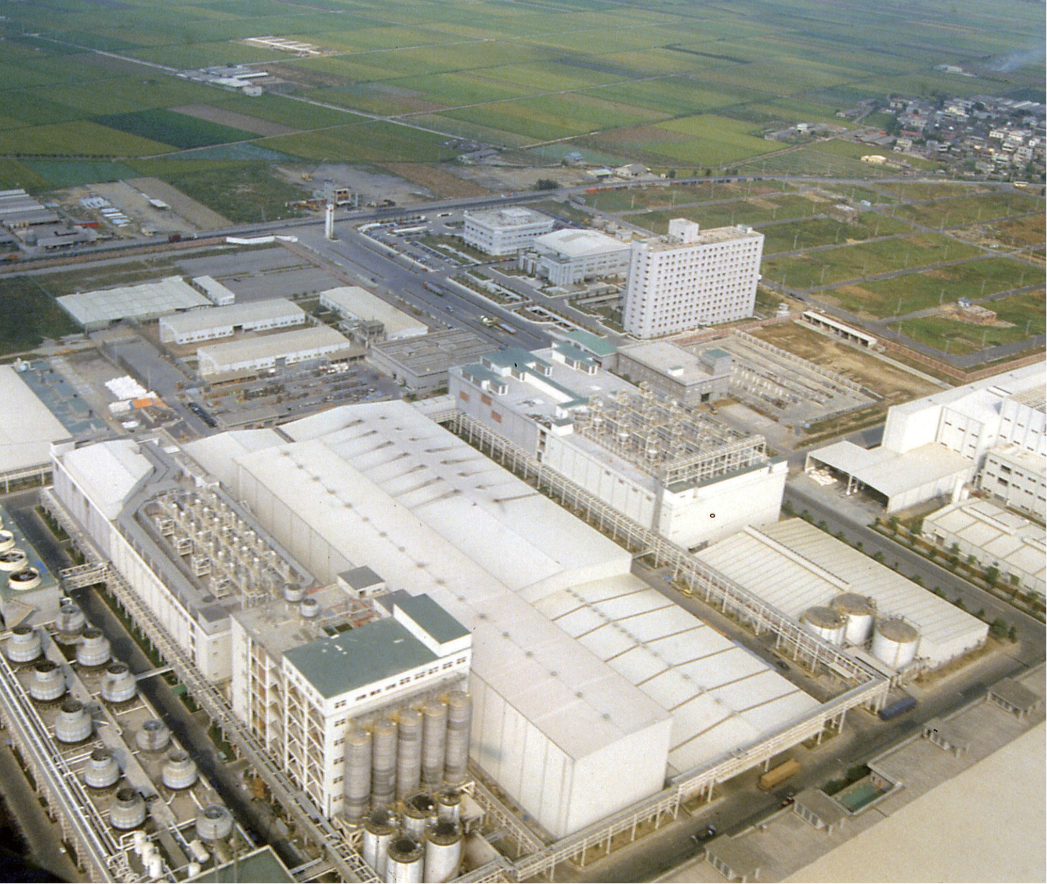
The polystyrene plant was located in the Zhongyang Industrial Park in Xingang Township, Chiayi County. Construction was completed in March 1991 with an annual production capacity of 60,000 tons. With customer recognition for its quality and successful market expansion, the company gradually eliminated bottlenecks in its production process, increasing its production capacity to 140,000 tons. The plant received ISO 9002 international quality certification in April 1994.
Because PS products are well received by domestic and international customers, the Mailiao plant was expanded to produce 120,000 tons of PS per year in February 2001, and another 60,000 tons of PS was added in September 2007, bringing the total annual PS production capacity to 320,000 tons.
Because PS products are well received by domestic and international customers, the Mailiao plant was expanded to produce 120,000 tons of PS per year in February 2001, and another 60,000 tons of PS was added in September 2007, bringing the total annual PS production capacity to 320,000 tons.
1993–1996
Construction and expansion of ABS resin plant
Since ABS resin (acrylonitrile-butadiene-styrene copolymer), a downstream product of the styrene series, is an important plastic raw material with a wide range of applications, and its main raw materials can be obtained from upstream factories of the Sixth Naphtha Cracking Plant, this department began planning to build an ABS pellet production plant in July 1993. The plant is located in the Xingang Zhongyang Industrial Zone and has an annual production capacity of 150,000 tons.
The plant was completed in May 1995 and expanded in July 1996, increasing its production capacity to 270,000 tons. It obtained ISO 9002 quality certification in October of the same year.
Due to the rapid increase in ABS market demand in recent years, our headquarters has also added a production line with an annual production capacity of 140,000 tons at the Mailiao plant. Together with the Xingang plant, the total annual production capacity has reached 410,000 tons.
The plant was completed in May 1995 and expanded in July 1996, increasing its production capacity to 270,000 tons. It obtained ISO 9002 quality certification in October of the same year.
Due to the rapid increase in ABS market demand in recent years, our headquarters has also added a production line with an annual production capacity of 140,000 tons at the Mailiao plant. Together with the Xingang plant, the total annual production capacity has reached 410,000 tons.
1998–1999
The division was established as an independent unit
In 1998, the company's investment in the Sixth Naphtha Cracking Project in Mailiao was completed and commenced, achieving a significant scale of production. To facilitate product differentiation and management, the plastic pellet production and sales operations within the Chemicals Division II were separated in 1999 to form the Formosa Plastics Division.
1999–2005
Polypropylene (PP) plant incorporated
In July 1999, due to the unique characteristics of PP products, the company's newly built polypropylene (PP) plant in Mailiao was integrated into Formosa Plastics Division to coordinate marketing operations.
The Mailiao PP plant uses technology from Japan's CHISSO Corporation, with an annual production capacity of 300,000 tons. Construction was completed in October 2000 and expanded to 460,000 tons in 2005. After removing bottlenecks, the current total production capacity is 510,000 tons.
The Mailiao PP plant uses technology from Japan's CHISSO Corporation, with an annual production capacity of 300,000 tons. Construction was completed in October 2000 and expanded to 460,000 tons in 2005. After removing bottlenecks, the current total production capacity is 510,000 tons.
2002–2007
Polycarbonate (PC) plant established and expanded
Given the high demand for polycarbonate (PC) in Taiwan, which relies entirely on imports, our company established a technical partnership with Japan's Idemitsu Corporation to establish the Mailiao PC plant. This plant will utilize petrochemical raw materials produced at the Mailiao plant to produce PC resin. The two parties jointly established "Formosa Chemicals Idemitsu Corporation," which will be responsible for PC resin sales, while our division will be responsible for production.
In October 2002, the first phase of the project was completed and put into production with an annual production capacity of 50,000 tons. The second phase of the project with an annual production capacity of 50,000 tons and the third phase with an annual production capacity of 75,000 tons have also been added to the production. The total annual production capacity is 175,000 tons, which will reach 200,000 tons after the bottleneck is eliminated, enabling this division to move towards the production of high-tech and high-value-added products.
In October 2002, the first phase of the project was completed and put into production with an annual production capacity of 50,000 tons. The second phase of the project with an annual production capacity of 50,000 tons and the third phase with an annual production capacity of 75,000 tons have also been added to the production. The total annual production capacity is 175,000 tons, which will reach 200,000 tons after the bottleneck is eliminated, enabling this division to move towards the production of high-tech and high-value-added products.
Major Businesses
Formosa Chemicals & Fibre Corporation Plastics Division is primarily engaged in the manufacture and sales of the following products:



PS pellet
ABS pellet
ASA pellet
PC pellet
PP pellet
PC/ABS alloys pellet
SAN pellet
With our vigorous marketing efforts and the advantage brought about by the vertical integration under the No. 6 Cracking Project, we expect to see continuous growth in business, and aspire to become a significant market player who provides superior materials with reliable quality, sufficient supply reasonable cost and technical service to downstream plastic manufacturers to help them develop new products and to enhance the competitiveness and make great effort of the plastic processing industry as a whole.